
What Septic Tank Locating Solves
A buried tank can be difficult to find when the property has no reliable as-built drawing, the last service record is missing or landscaping has changed. Locating narrows the search so excavation is directed toward the likely tank and maintenance opening instead of disturbing a large area based on a guess.
The work can support septic pumping, an inspection, riser planning, lid replacement, building-line diagnosis or a project near the system. It can also help a property owner preserve a useful tank reference for future maintenance. The result should identify the confirmed location, the opening that was exposed and any limits that prevented full confirmation.
Locating does not determine that the tank, outlet or drainfield works properly. It also does not prove that a visible cap is the main pumping lid. A cleanout, inspection port, distribution component or abandoned feature can be mistaken for tank access. Physical exposure and observation are needed before relying on the location.
When May You Need Septic Tank Locating
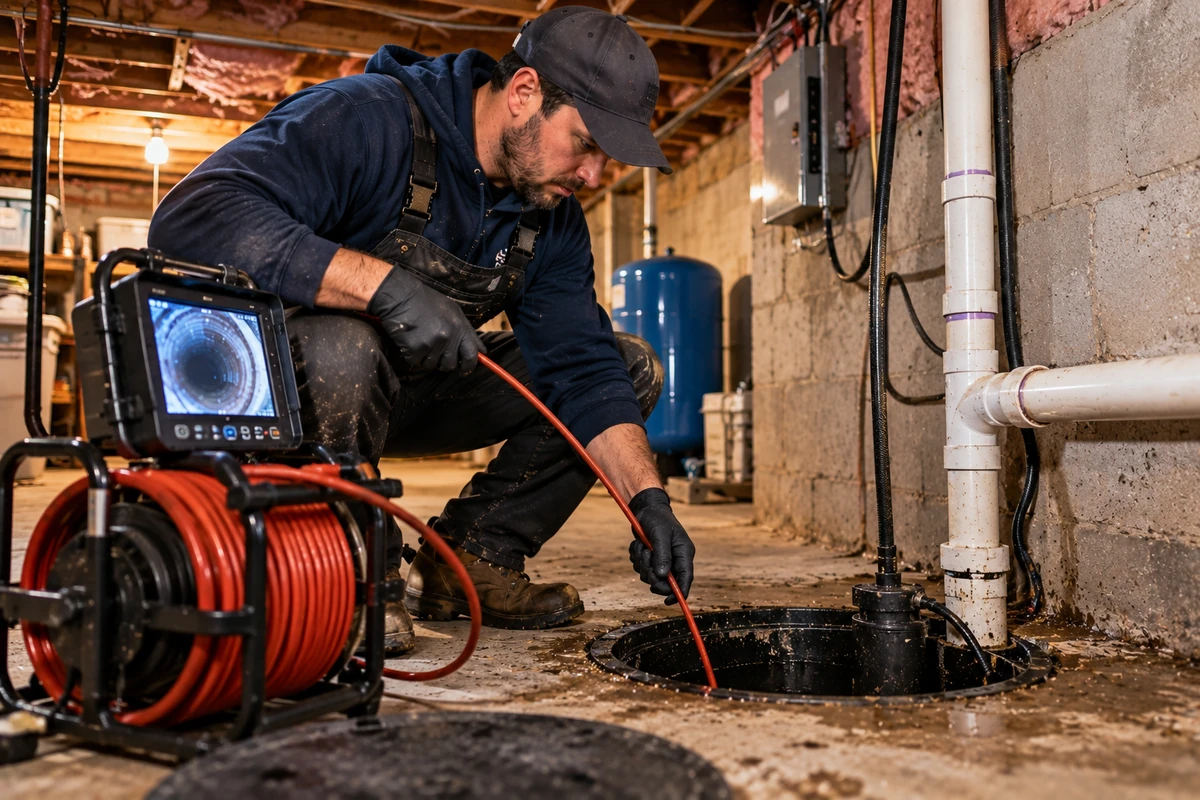
Tank locating may be needed when records and visible site features do not provide a dependable maintenance location. It is especially useful before excavation, pumping or landscaping could be delayed by an uncertain tank position. Common triggers include:
No permit drawing, property sketch or pumping invoice identifies the tank.
A drawing exists, but its distances do not match current structures or grade.
The prior access point disappeared beneath sod, mulch, fill or landscaping.
Several possible caps, pipes or depressions appear in the expected area.
A pumping or inspection visit cannot begin because the correct lid is not exposed.
Construction, fencing, planting or grading is planned near the probable system route.
A permanent riser is being considered, but the tank opening has not been confirmed.
Wet ground, odor or slow drains can indicate a septic problem, but those symptoms do not reveal the tank location by themselves. A blocked building line, full tank, damaged component or drainfield condition may need separate diagnosis after access is confirmed.
How We Handle Septic Tank Locating
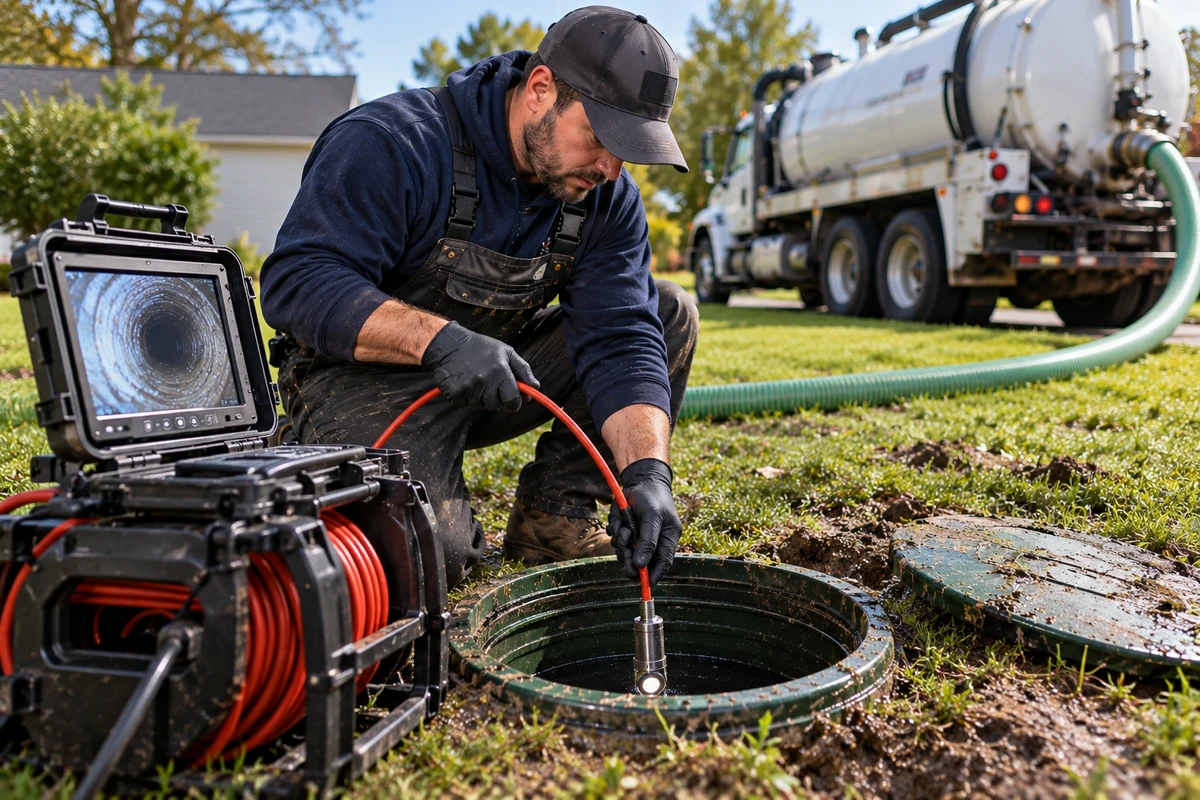
1 Review Available Records
We begin with permit documents, as-built sketches, site plans, pumping receipts, prior photographs and property information when available. Measurements are treated as leads until they match current field conditions.
2 Trace the Probable Sewer Route
The building drain exit, cleanouts, plumbing layout, slope, structures and site changes help establish a probable route from the building toward the tank. Utilities and obstacles are considered before probing or excavation.
3 Use Suitable Locating Methods
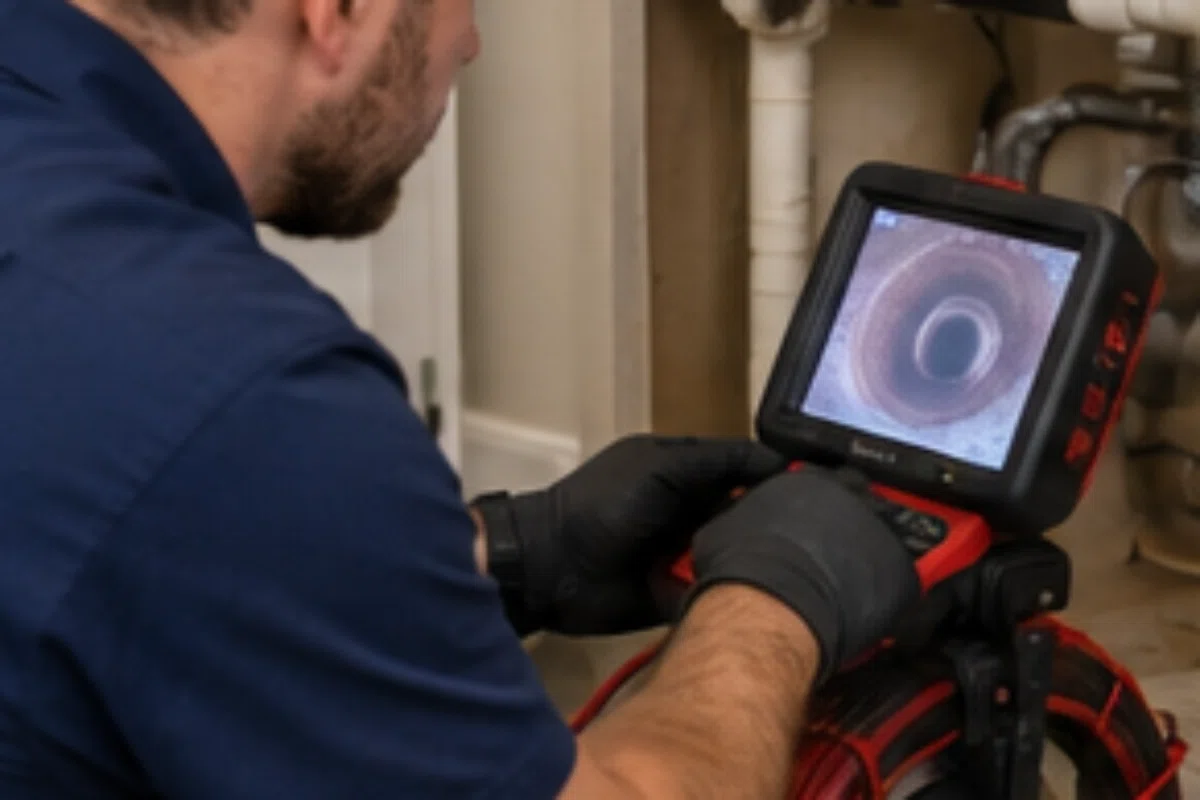
Surface inspection and careful probing may narrow the search. A camera, transmitter or electronic locator may be used when offered, included and appropriate for the pipe and site. No single method replaces field confirmation.
4 Expose and Confirm the Access
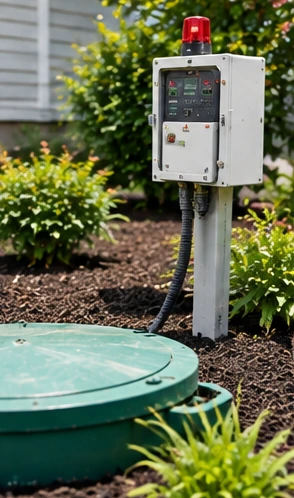
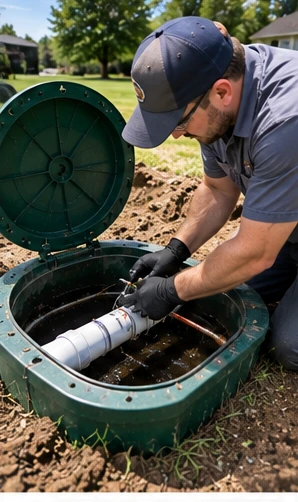
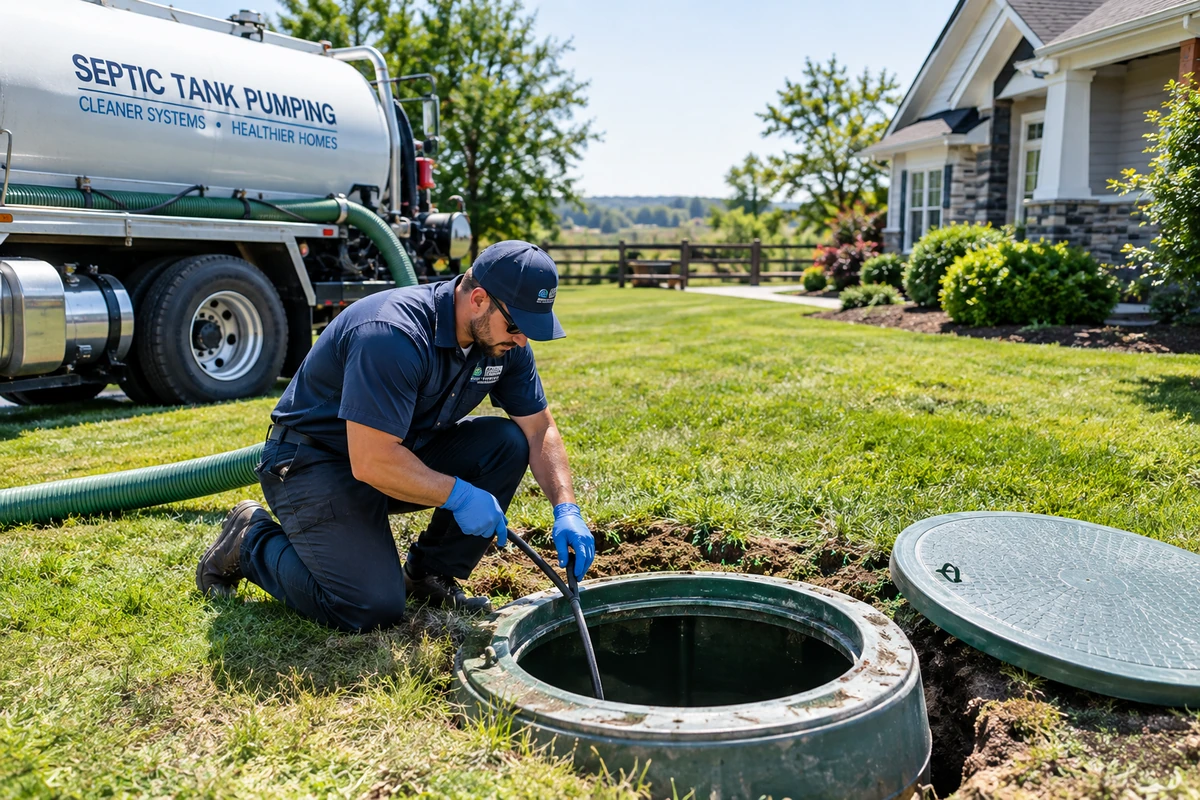
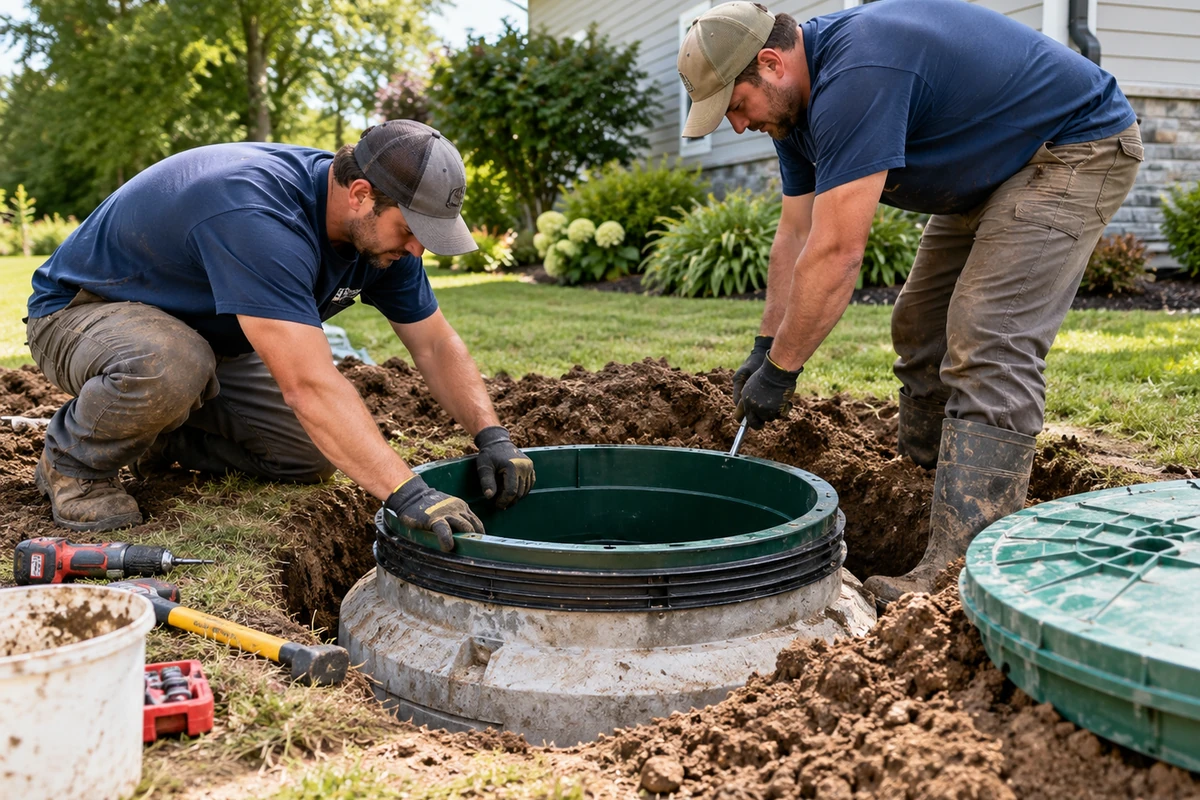
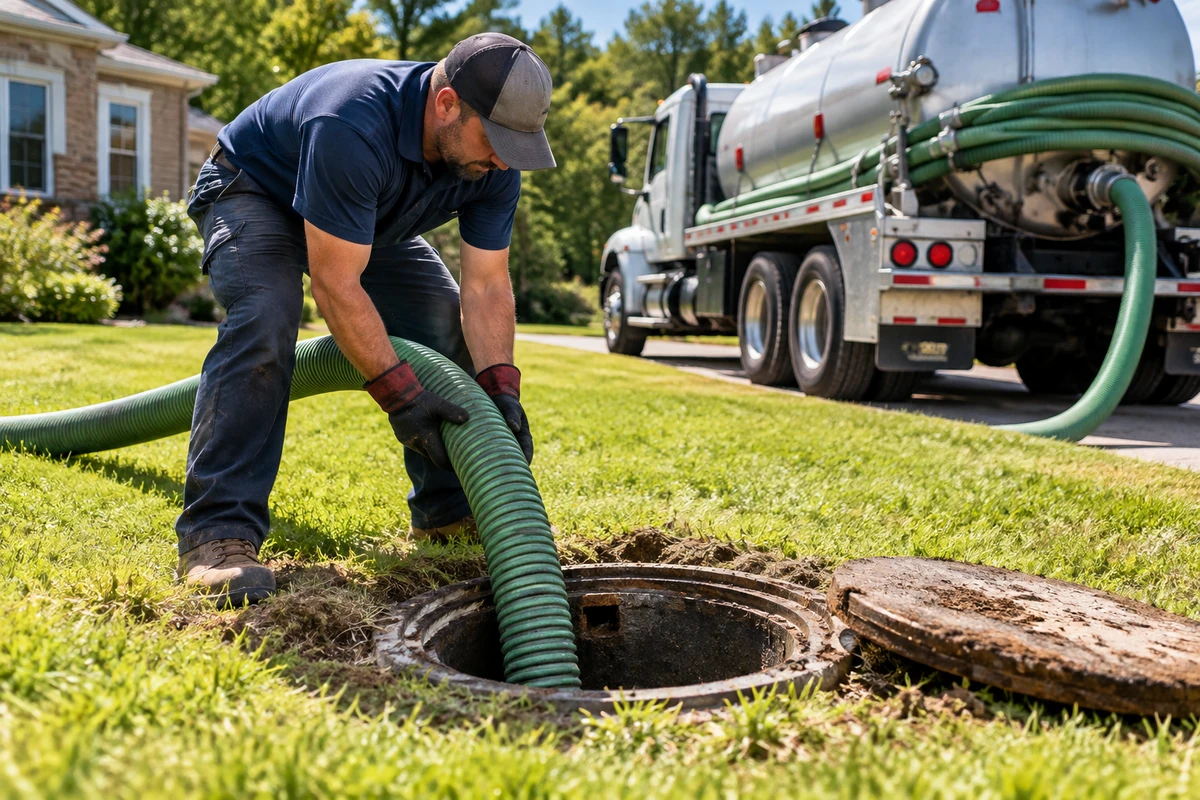
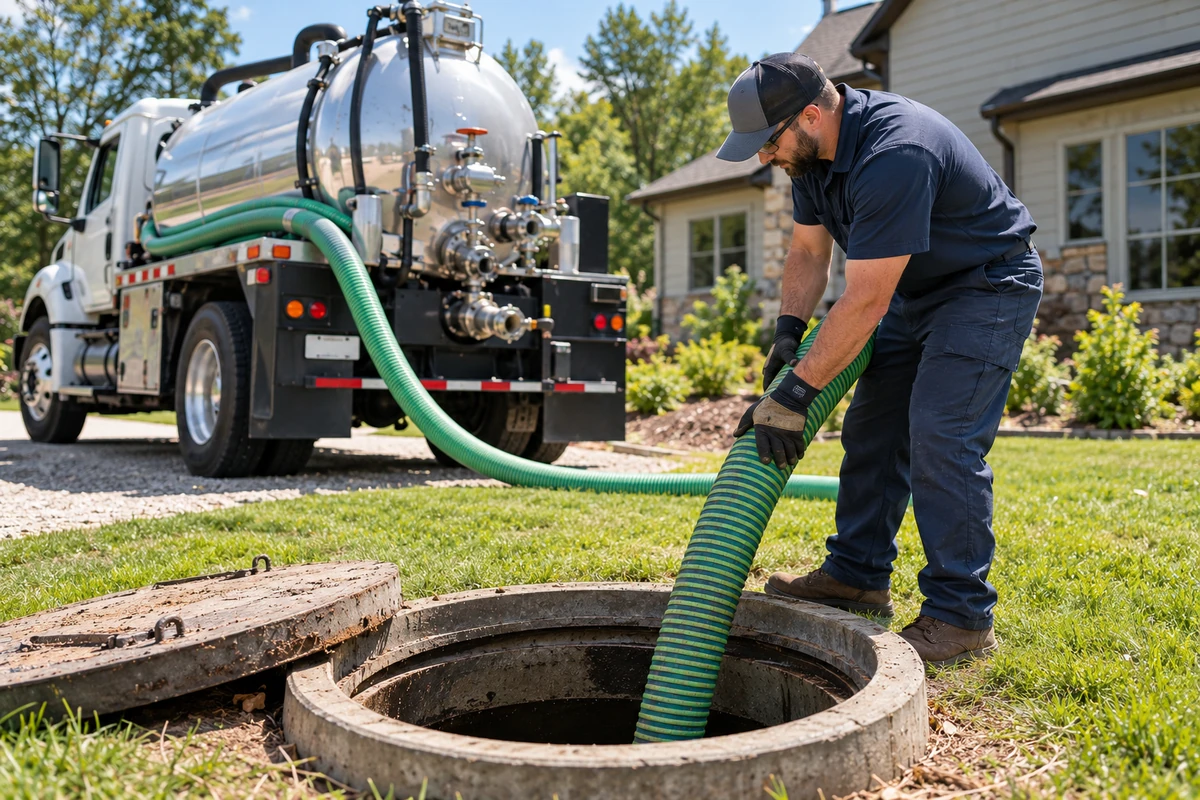
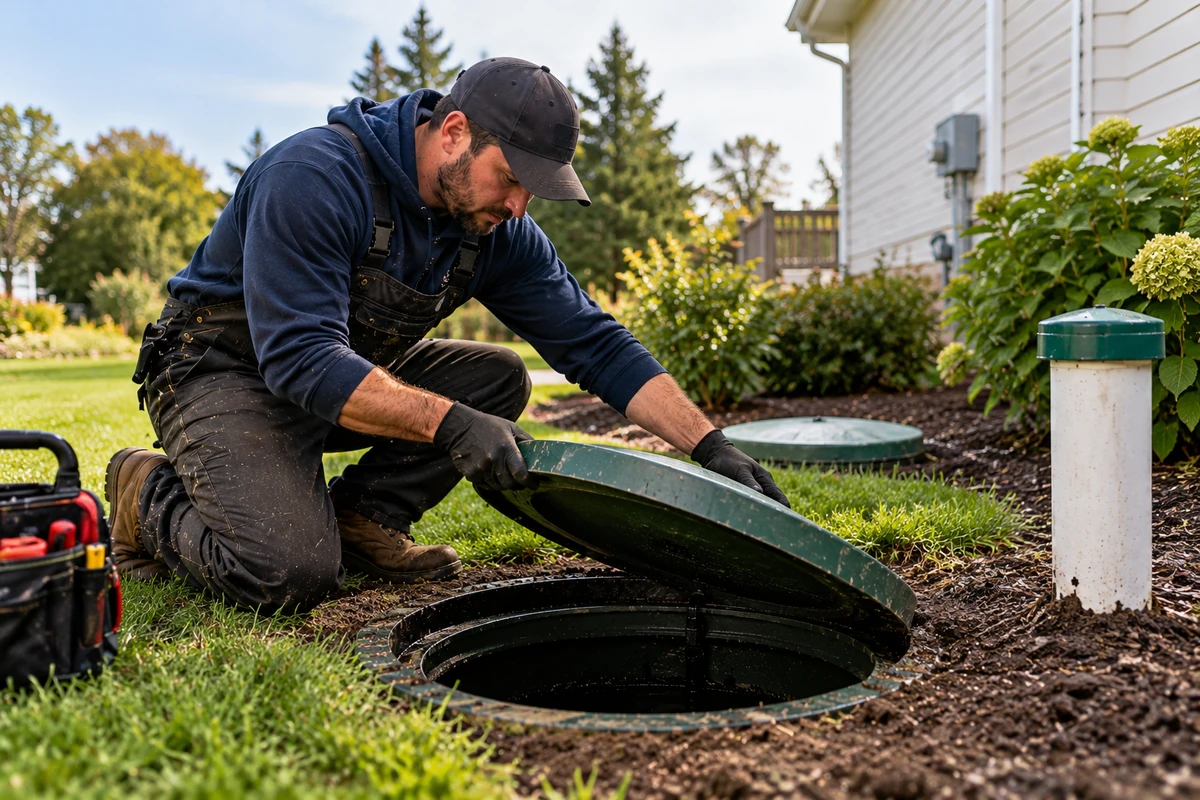
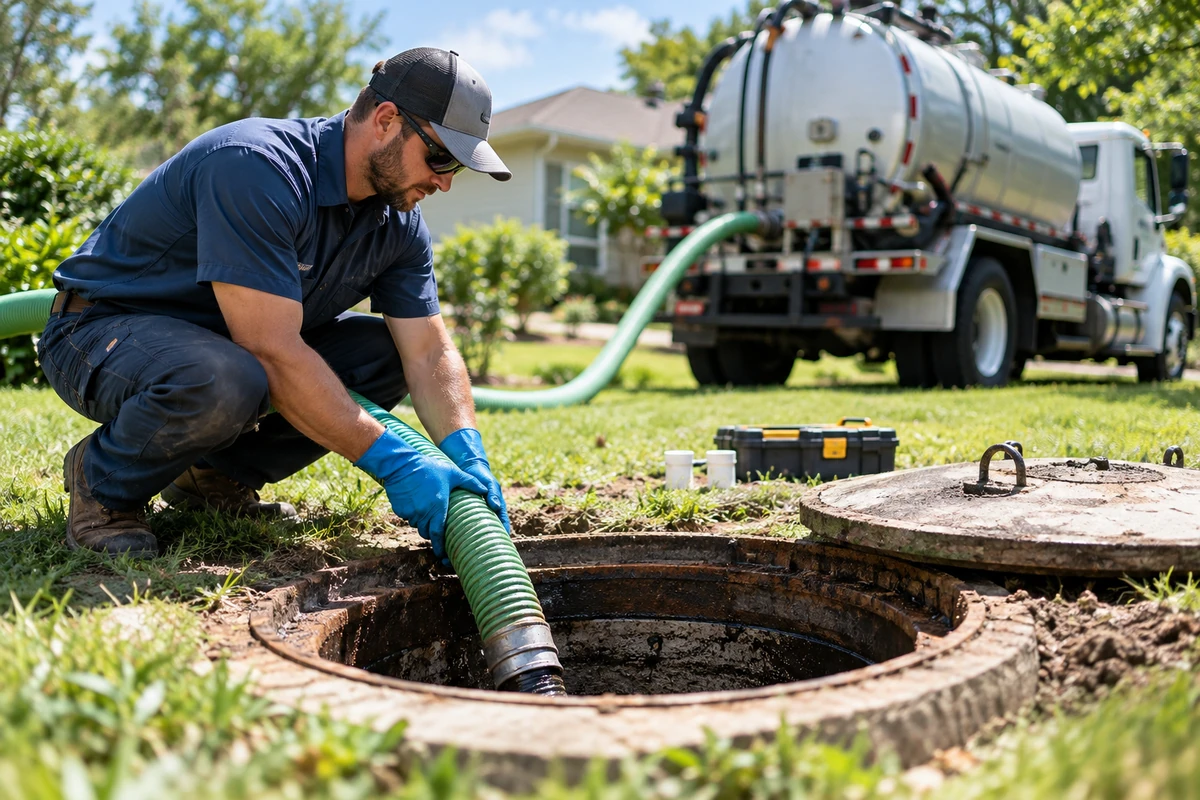
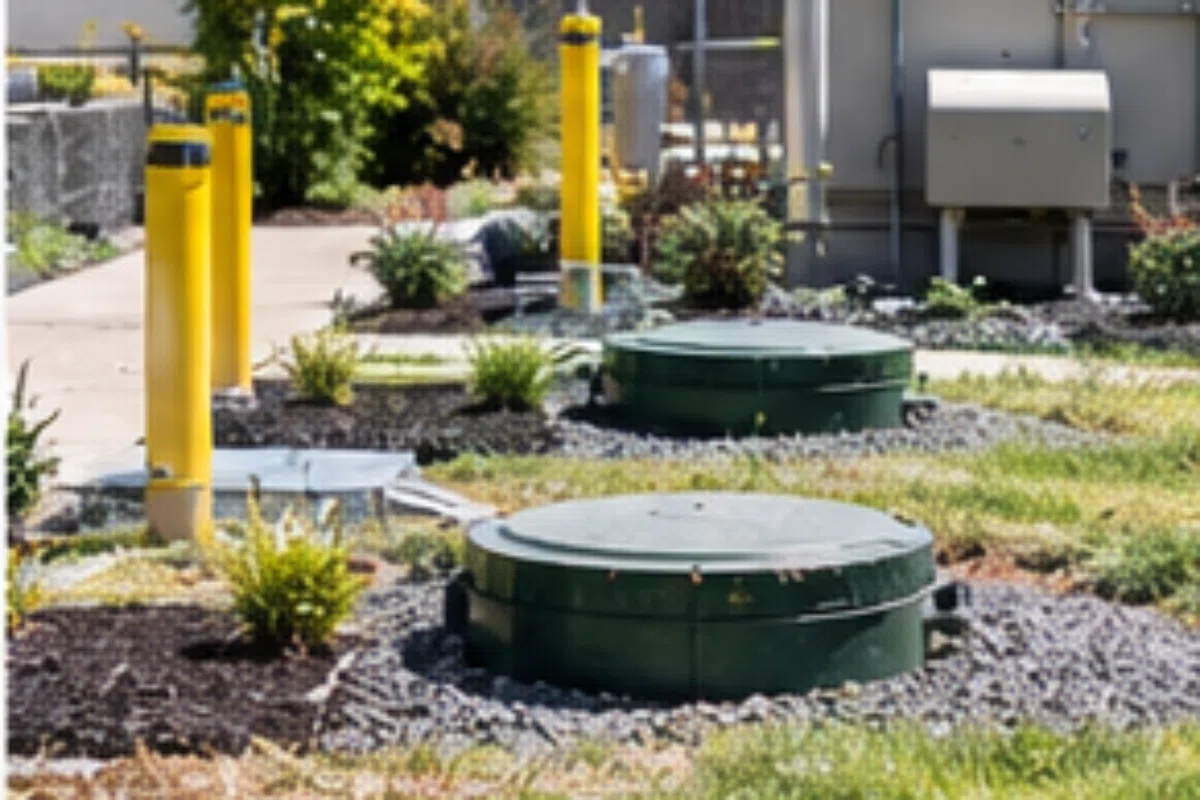
Targeted hand excavation exposes enough of the suspected area to identify the tank or maintenance lid. We distinguish confirmed access from a cleanout, inspection port or unrelated buried feature.
5 Mark and Document the Location
The service record notes the confirmed location, reference measurements, access depth, opening observed and relevant limits. That information can reduce repeated searching during later pumping, inspection or component work.
Kentucky's onsite-system component standards define septic tanks and maintenance openings as regulated system components. The state's onsite sewage disposal regulation uses property drawings and site information during system approval. These records can guide a search, but they do not replace confirmation of current buried conditions.
The Northern Kentucky Health Department septic program provides oversight in Boone, Campbell, Grant and Kenton counties and explains how onsite-system records are handled. Older records may still be incomplete, and later site changes can affect how field measurements align with the property today.
What Affects Septic Tank Locating Cost
Cost depends on record quality, search area, tank depth, soil and surface conditions, building-sewer access, locator equipment, number of suspected features, excavation needs, travel and any added diagnosis or repair. Hard surfaces, deep fill, uncertain utilities, multiple tanks or major site changes can expand the scope. A Covington range should be published only when current provider quotes or completed jobs support it.
Related Septic Access Services
For secure, repeatable access after the opening is confirmed, see Septic Riser & Lid Installation Covington.
For the site's primary pumping topic, see Septic Tank Pumping Covington KY.
Review Areas We Serve Near Covington for location and coverage details.
Frequently Asked Questions
Can Northern Kentucky records show where my septic tank is?
Records may include a permit or system sketch, but older documents can be incomplete or conditions may have changed. Field confirmation is still important.
How much does septic tank locating covington cost?
The cost of septic tank locating covington depends on system size, access, depth, condition, travel, equipment, and any additional diagnosis or repair. Publish a local range only after it is supported by current provider quotes or completed jobs.
How does this page differ from Septic Tank Access & Component Service Covington?
This child page targets locating; the parent page covers all access and component work.