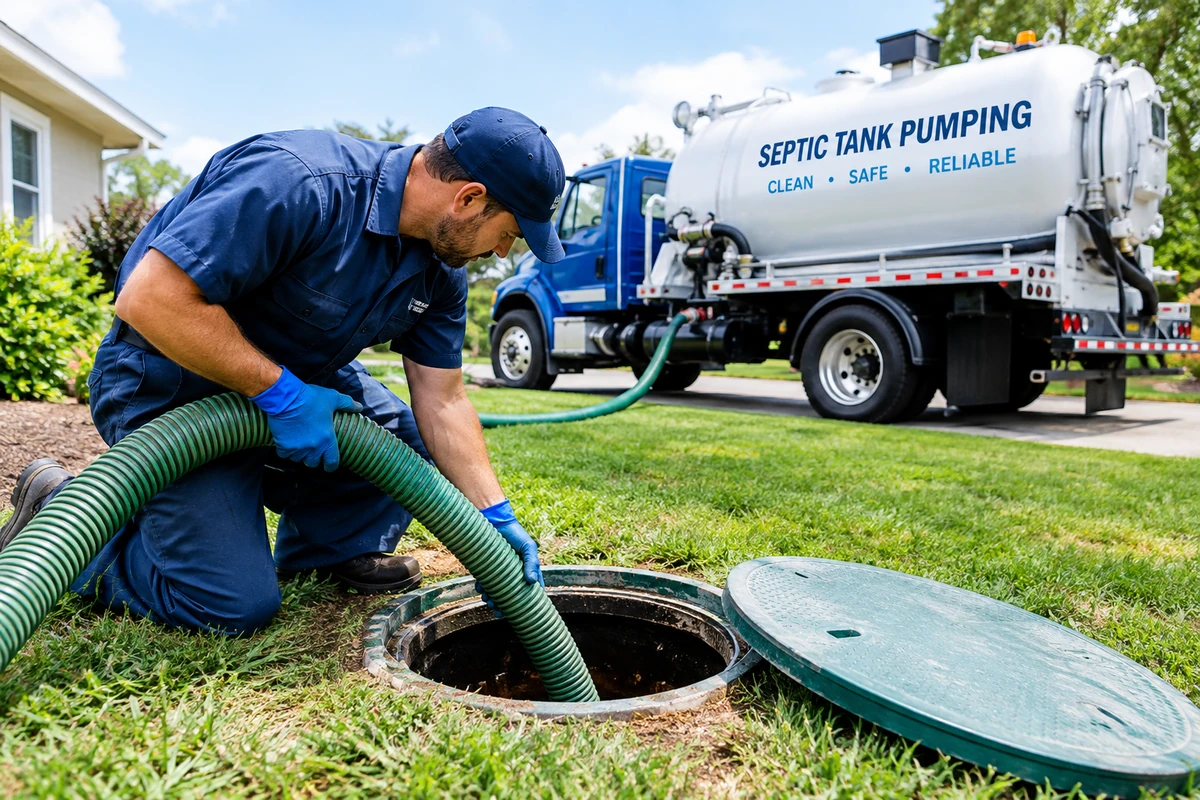
What Commercial Septic Pumping Solves
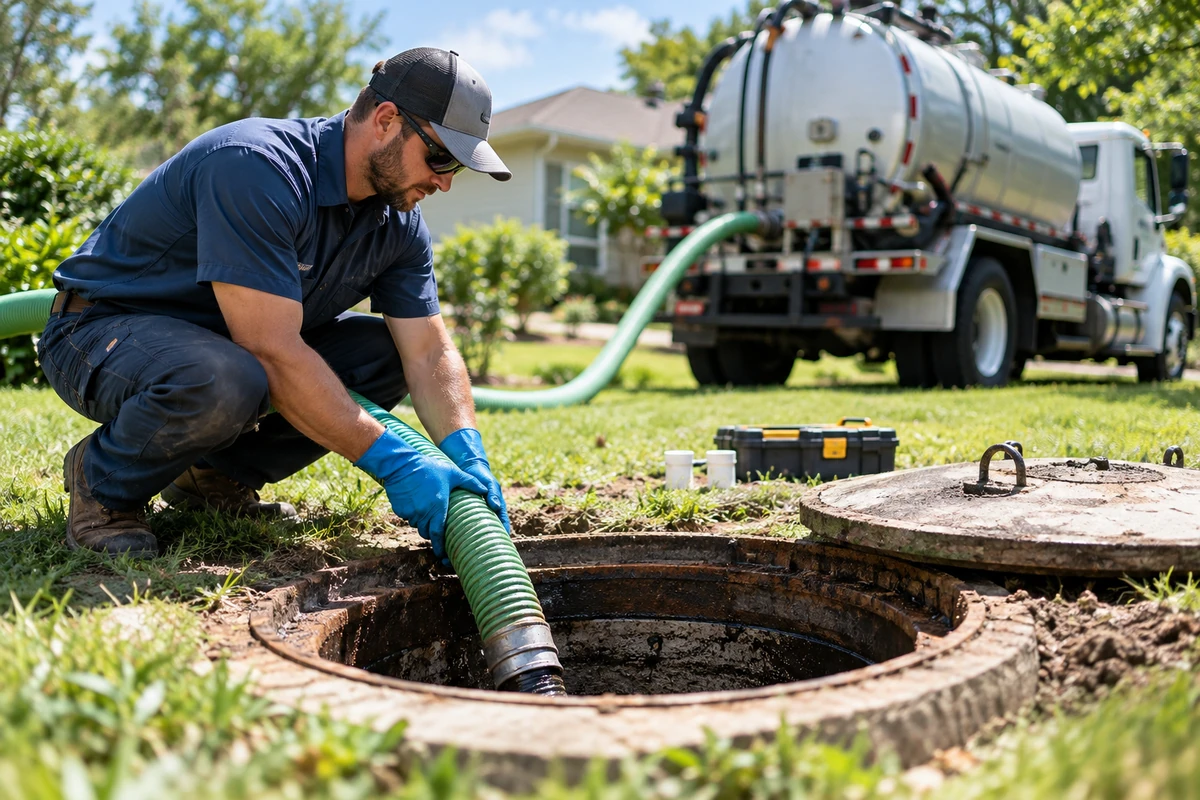
Commercial pumping restores working volume inside the tank and removes solids before they move toward the outlet or drainfield. It can be scheduled as maintenance or performed when tank levels, pumping history or current symptoms show that service may be due. Several tanks can be included when their location, access and scope are known in advance.
This page covers pumping itself. It does not treat pumping as proof that the entire septic system is working properly. A blocked inlet, restricted outlet, clogged effluent filter, failed pump, damaged component or saturated drainfield can continue to cause problems after the tank is emptied. Those conditions may need separate diagnosis or repair.
The waste stream also matters. Kentucky's septic tank servicing regulation distinguishes domestic sewage and domestic septage from material containing commercial or industrial process wastewater. Facility restrooms and ordinary sanitary wastewater do not automatically make every process discharge acceptable for standard septic pumping and disposal. The contents should be identified before service.
When May a Commercial Tank Need Pumping
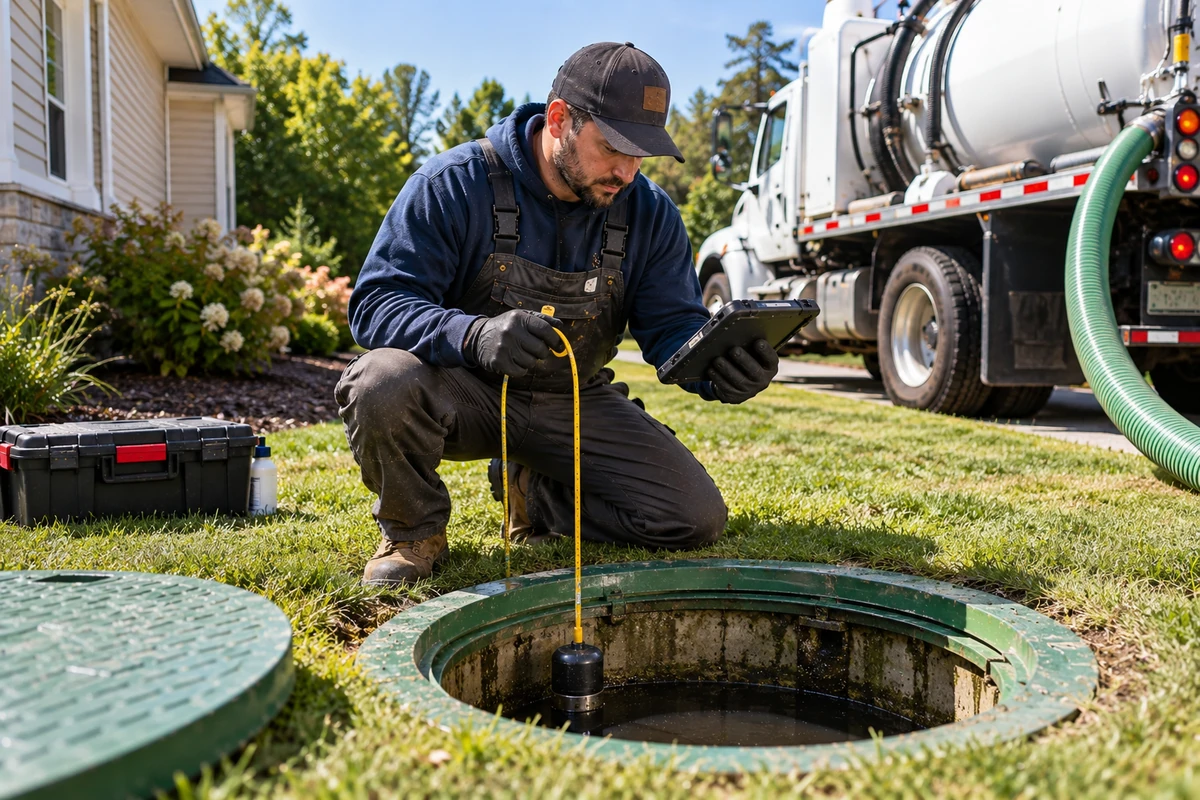
A commercial tank may need pumping when measured solids, actual wastewater use or the maintenance record supports it. Symptoms can justify an inspection, but they cannot identify the cause by themselves. The following conditions help define the pumping scope.
The recorded pumping interval is approaching and facility use has remained similar.
Sludge and scum measurements show reduced working capacity.
Occupancy, shifts, customer traffic, laundry or restroom use has increased.
Several fixtures slow down or back up during high-use periods.
A tank or pump chamber reaches an unusual liquid level.
The pumping history, tank capacity or system layout is incomplete.
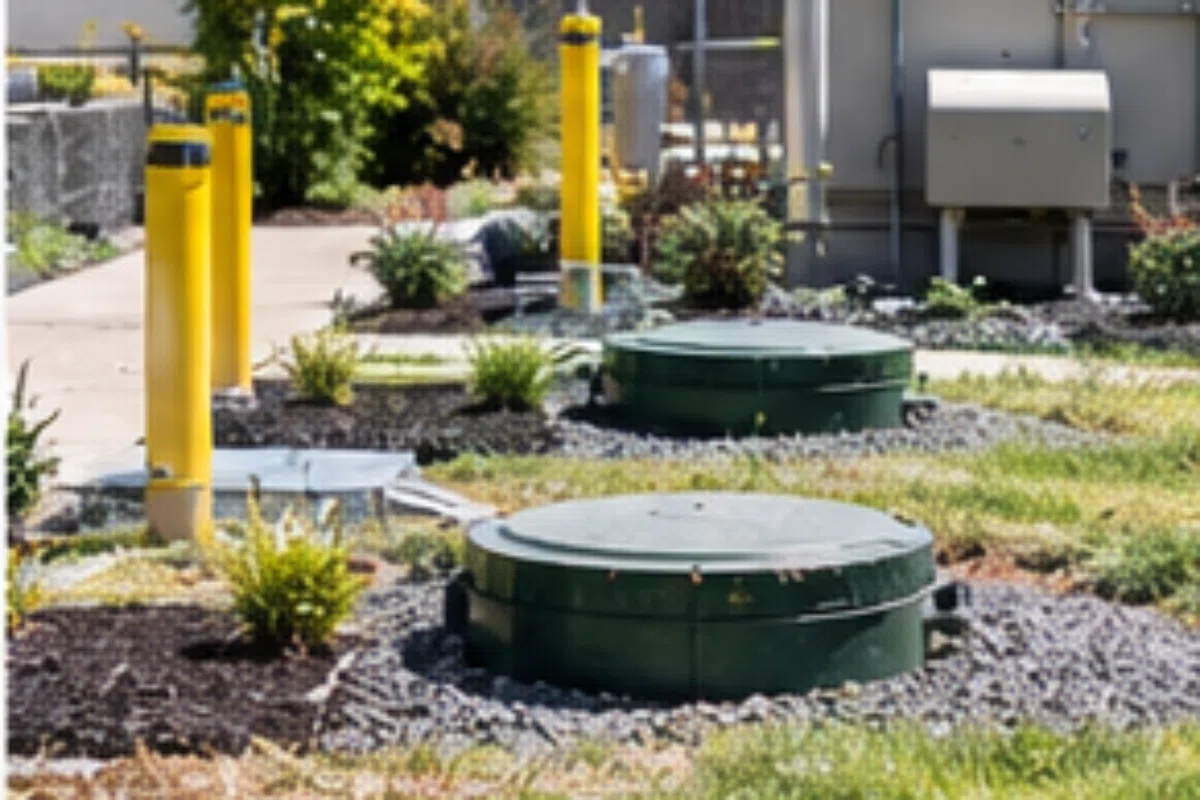
More than one tank needs coordinated access during the same visit.
A single clogged fixture may need plumbing service instead. Rapid refilling after pumping may point to excessive inflow, groundwater entry, a failed pump or restricted downstream flow. Pumping provides access and removes contents, but follow-up work should match the observed condition.
How We Handle Commercial Septic Pumping
1 Confirm the System and Scope
We confirm the facility uses an onsite system, review available records and identify the tanks or chambers included. Tank capacity, access depth, lid location, hose route and expected contents shape the equipment plan.
2 Coordinate Access and Operating Impacts
Truck placement, doors, gates, loading areas, vehicles, occupants and water use are considered before pumping begins. Any timing arrangement depends on actual operating availability and the site's safety requirements.
3 Open Safe Access and Observe Conditions
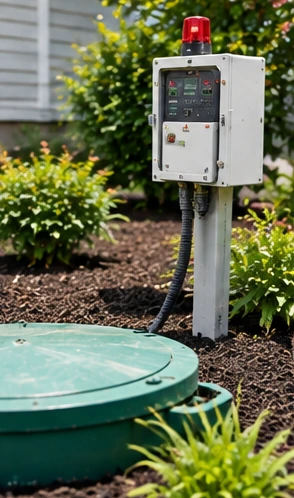
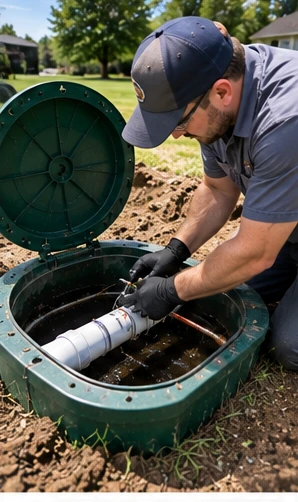
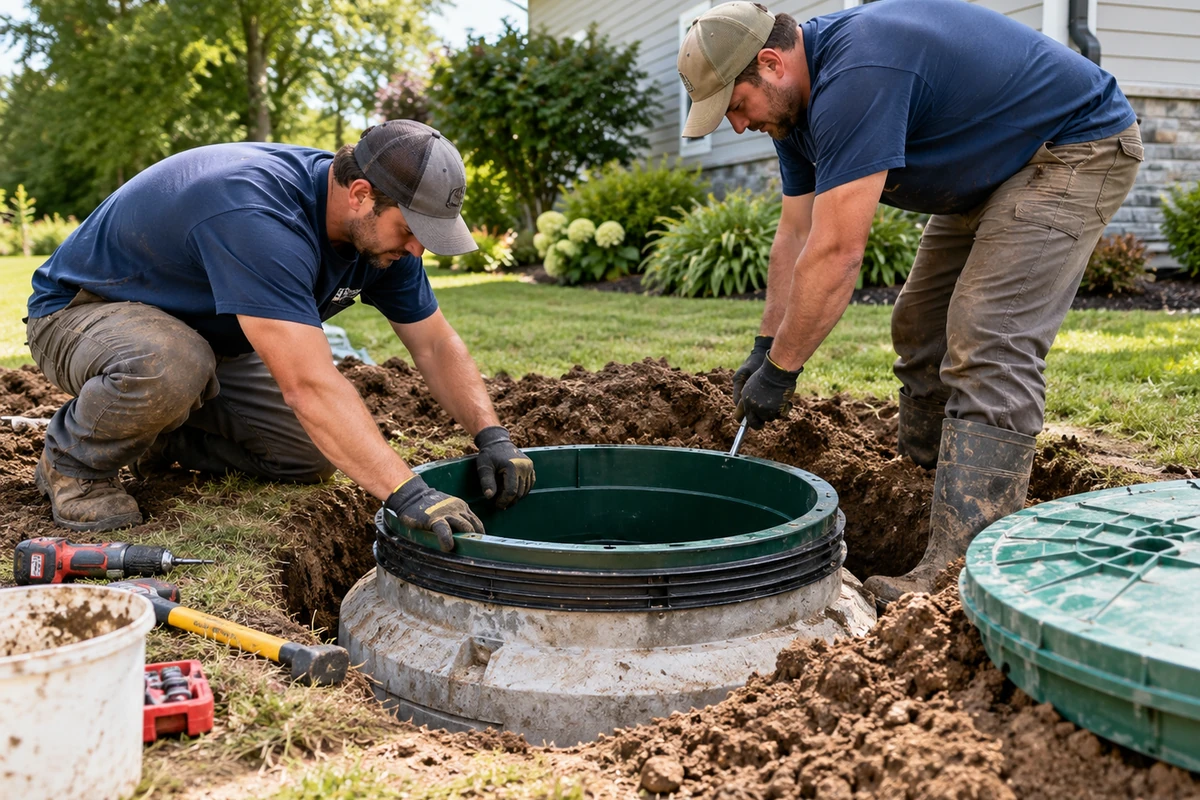
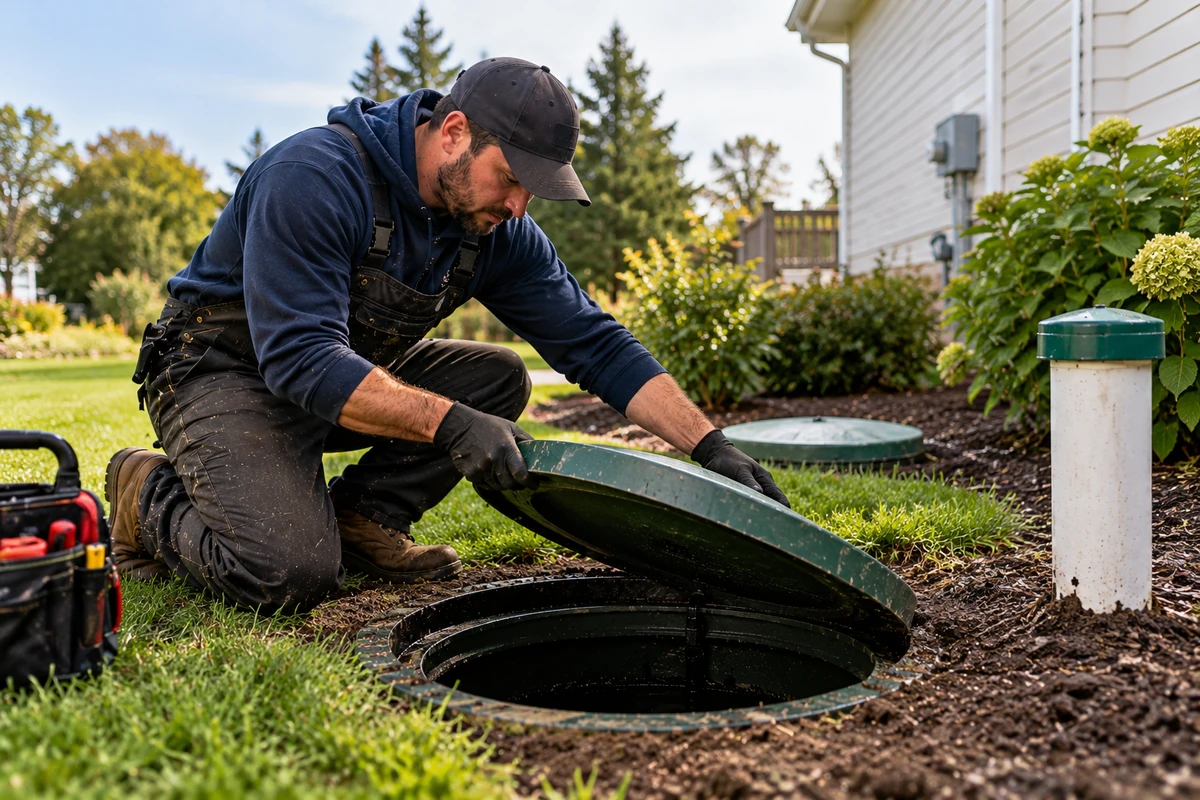
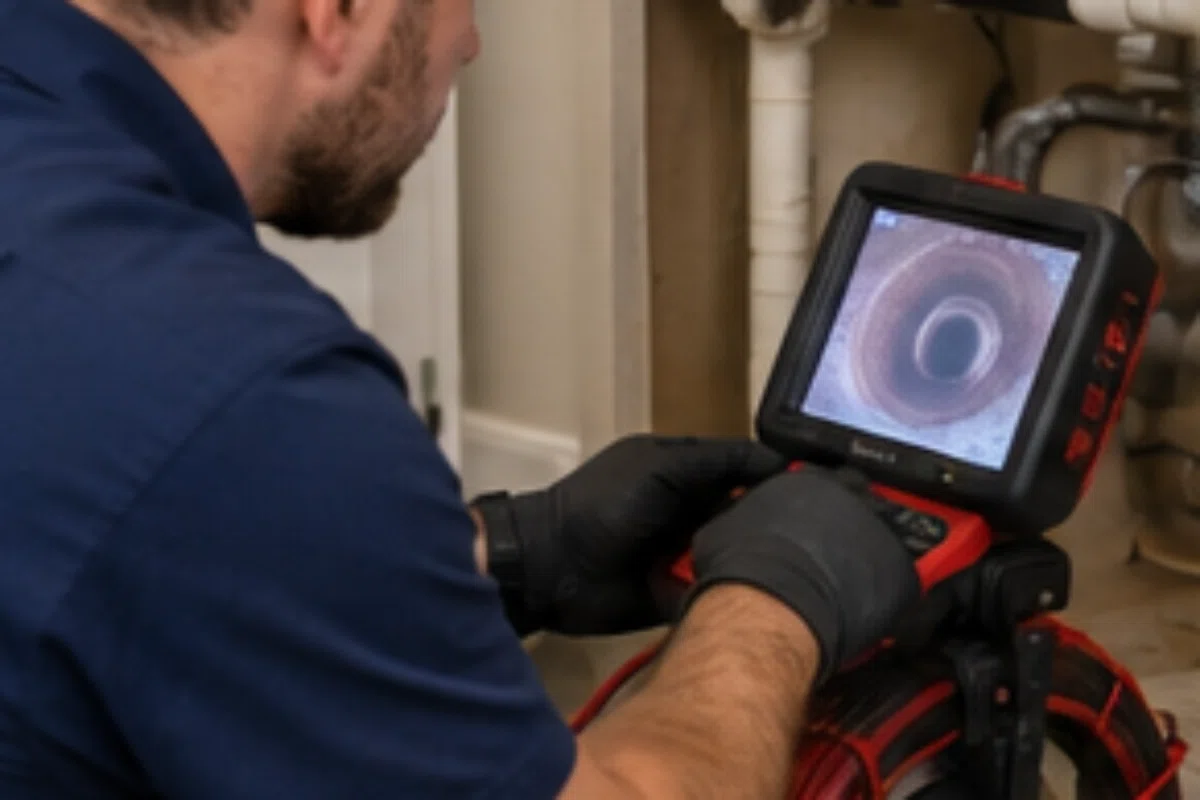
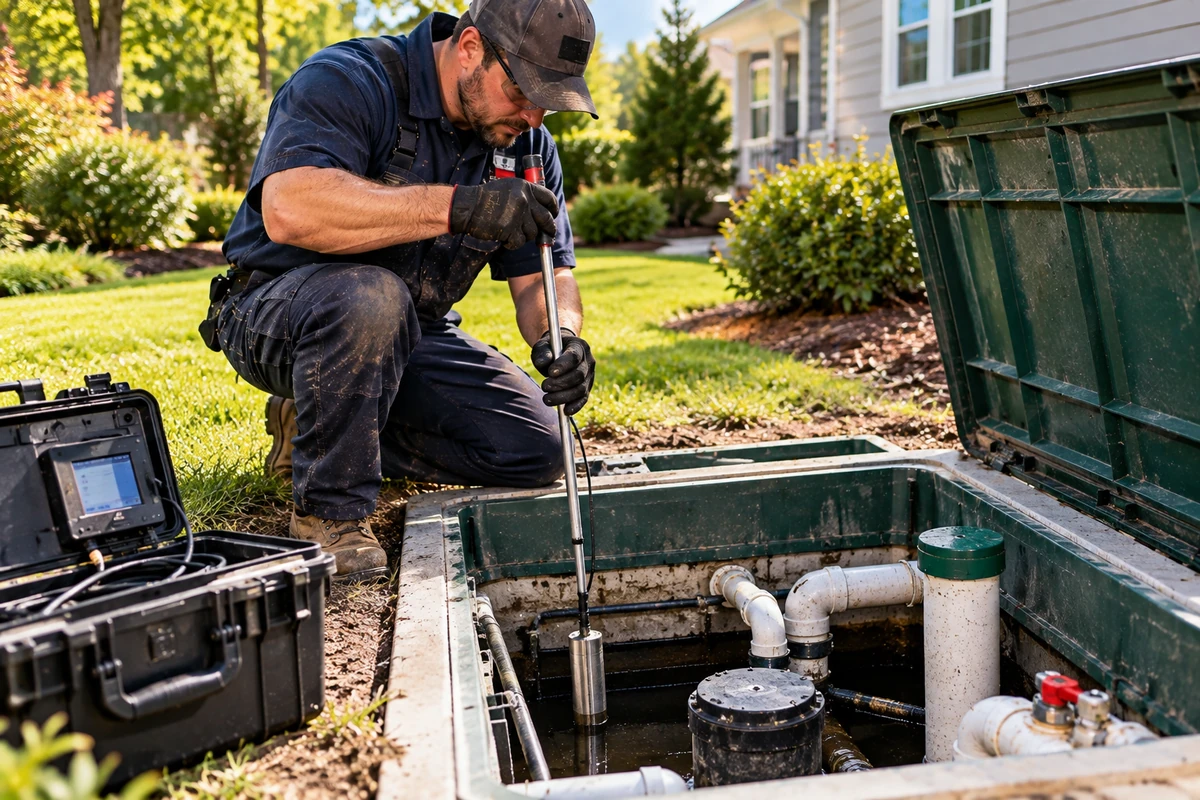
Accessible lids and risers are opened with appropriate access tools. Liquid level, solids, visible inlet and outlet conditions, filter condition and signs of damage are noted when included and safely observable.
4 Pump the Agreed Tanks
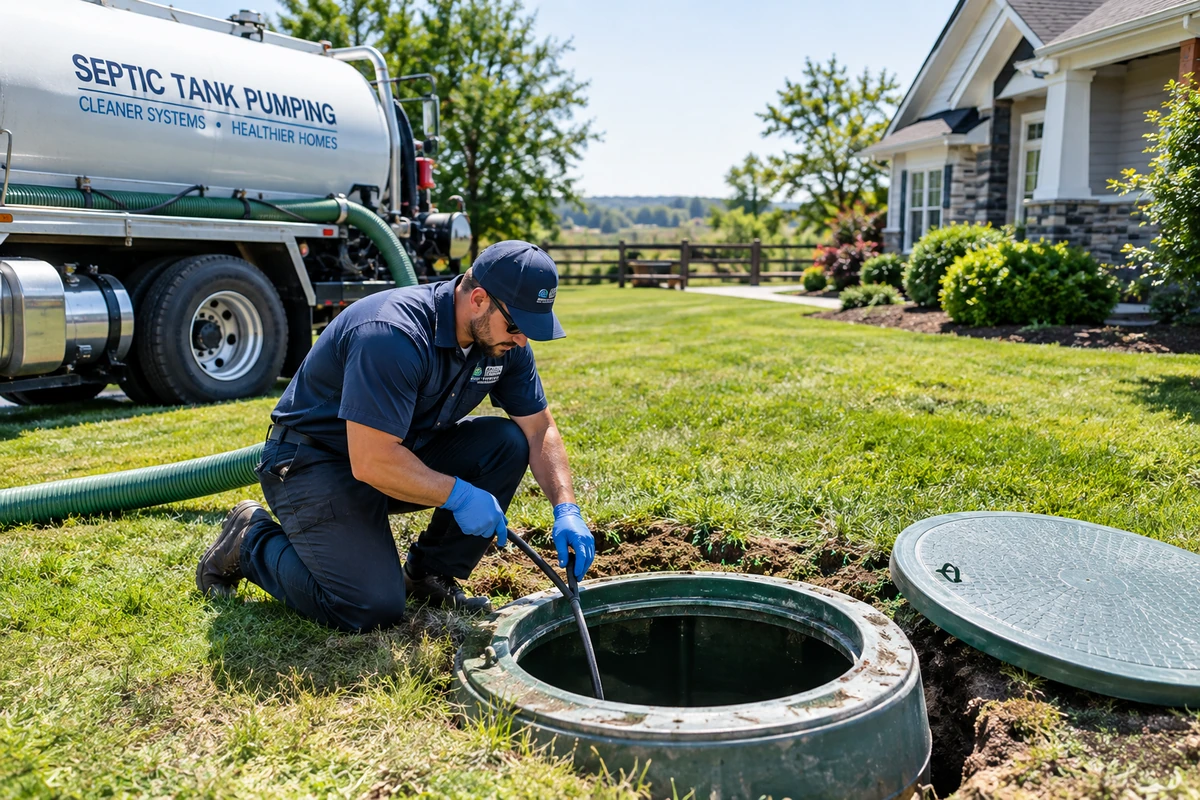
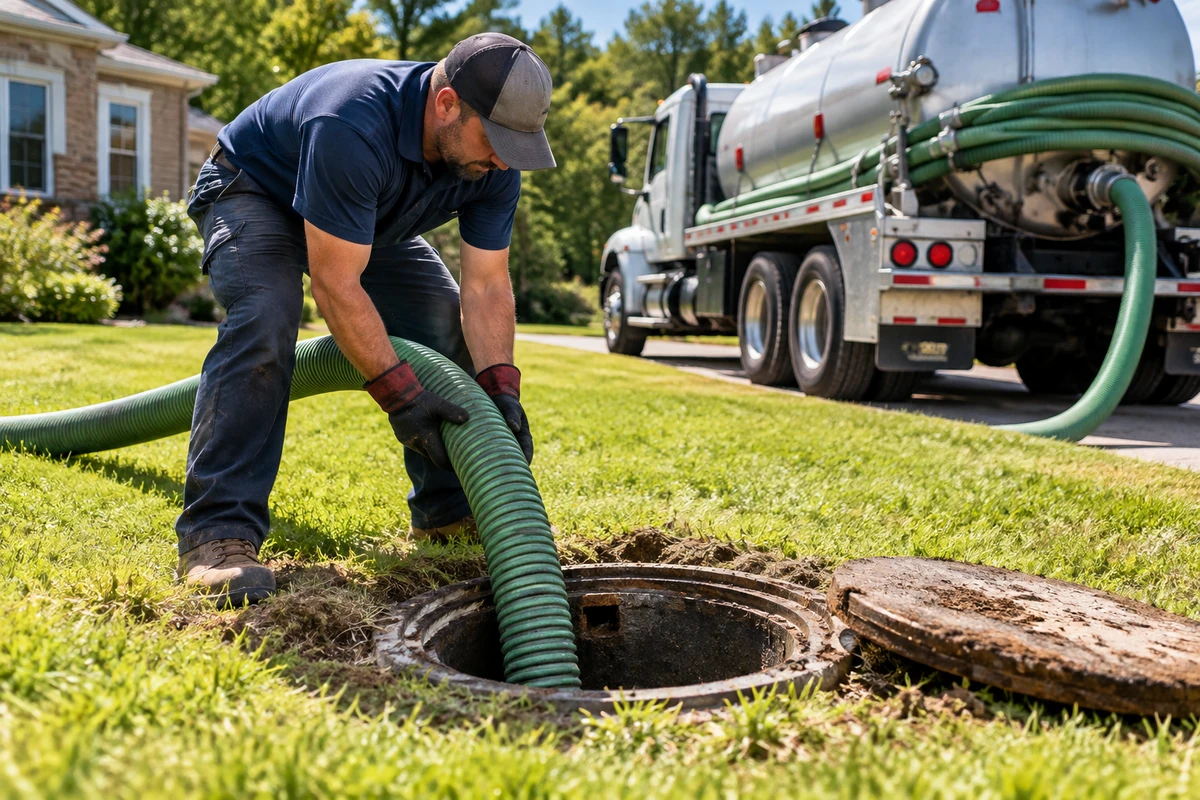
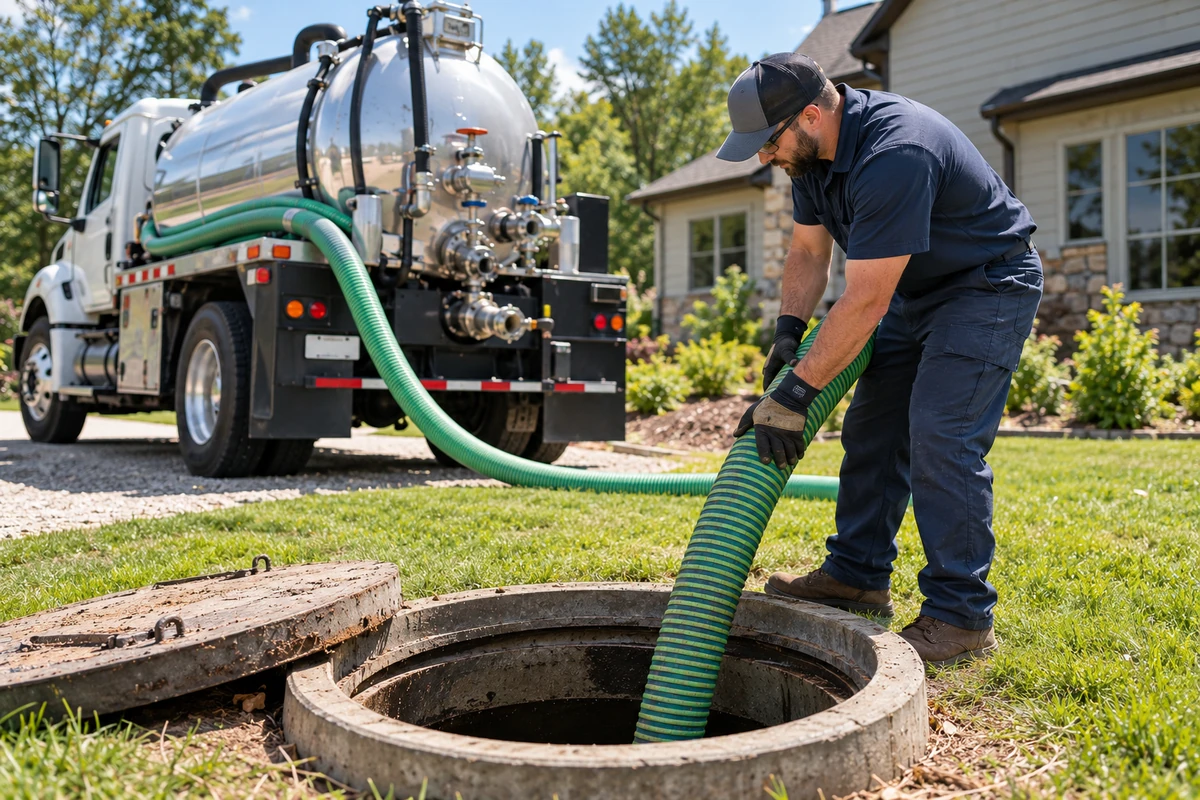
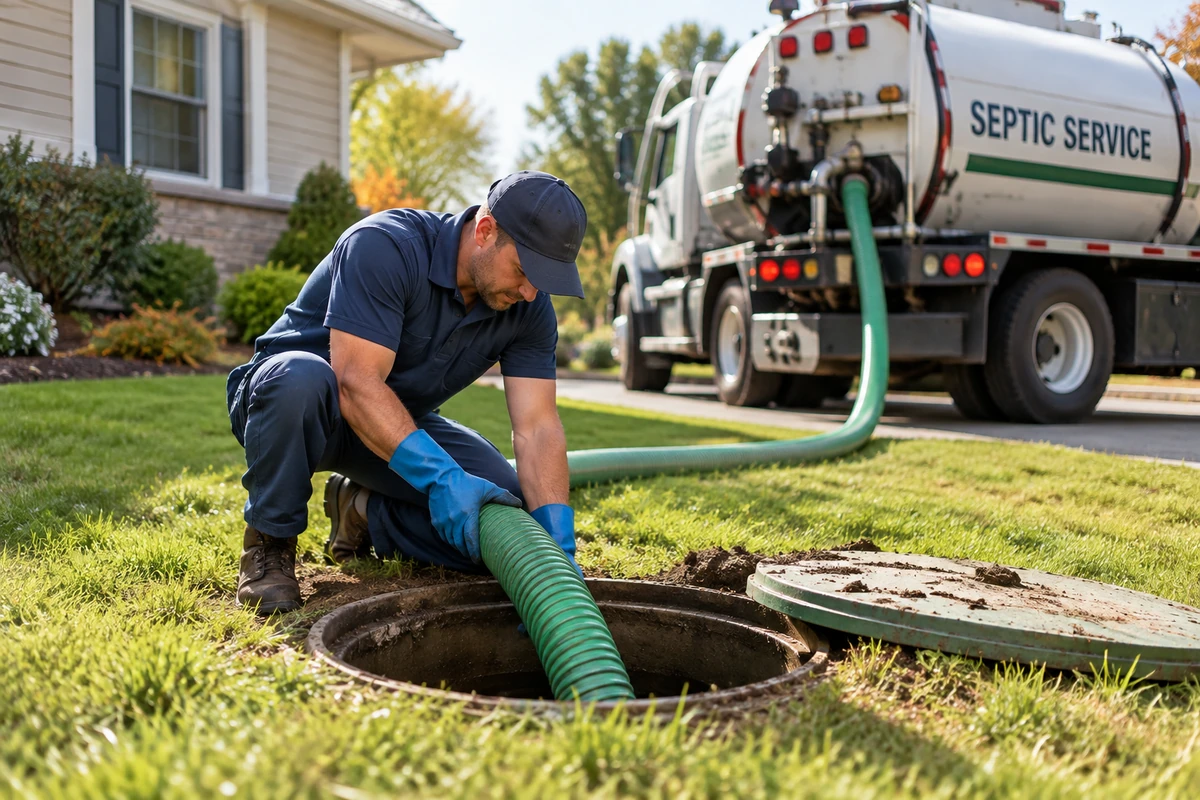
A commercial pumping truck, hoses and safety controls are used for the approved scope. The tank contents are removed, while any unexpected waste, inaccessible chamber or unsafe condition is addressed before the scope changes.
5 Secure the System and Document Service
Access openings are secured after pumping. The service record identifies the property, date, tanks serviced, volume when recorded, observed damage and the applicable hauling or disposal information.
Current Kentucky septic tank servicing requirements address licensing, vehicles and equipment, approved disposal, safe and sanitary property conditions, notice of observed damage and minimum invoice information. Actual service procedures and records should match the work performed and the waste being handled.
The EPA septic-care guidance identifies wastewater volume, solids volume and tank size as pumping factors and recommends keeping maintenance records. For a commercial property, measured conditions and facility use are more useful than copying a household schedule.
What Affects Commercial Septic Pumping Cost
Cost depends on tank capacity, number of tanks, access depth, lid location, hose distance, volume removed, material condition, truck placement, travel and any additional inspection or diagnosis. Buried access, unknown tanks, restricted loading areas, heavy solids or nonstandard waste can change the scope. A Northern Kentucky range should be published only after current provider pricing or completed jobs support it.
Related Commercial Septic Services
For maintenance planning, inspection and broader problem response, see Commercial Septic Service Northern Kentucky.
For a tank that stores wastewater without a conventional drainfield, see Holding Tank Pumping Northern Kentucky.
For routine Covington pumping information, see Septic Tank Pumping Covington KY.
Review Areas We Serve Near Covington for the location directory.
Frequently Asked Questions
Can several tanks be pumped during one visit?
Yes when the provider has confirmed the tanks, access, truck capacity and scope in advance. The quote should identify every tank included.
How much does commercial septic pumping northern kentucky cost?
The cost of commercial septic pumping northern kentucky depends on system size, access, depth, condition, travel, equipment, and any additional diagnosis or repair. Publish a local range only after it is supported by current provider quotes or completed jobs.
How does this page differ from Commercial Septic Service Northern Kentucky?
This child page owns commercial pumping; the parent covers the broader commercial service program.